
Renoir
A still life that now sits in the story of what was taken, not only in the story of what was painted.
Museum theft, missing canvases, and the image that remains after the object is gone.

Selected story
A museum theft is never only about the missing object. It is also about the room that held it, the path in and out, and the brief window when the public still believes nothing has changed.
This page follows that shape through a few well-known disappearances. The works matter, but so do the gaps they leave behind.
Missing works
A still life that now sits in the story of what was taken, not only in the story of what was painted.

The image is quiet, but the loss is not. It is one of the reasons missing art stays memorable.
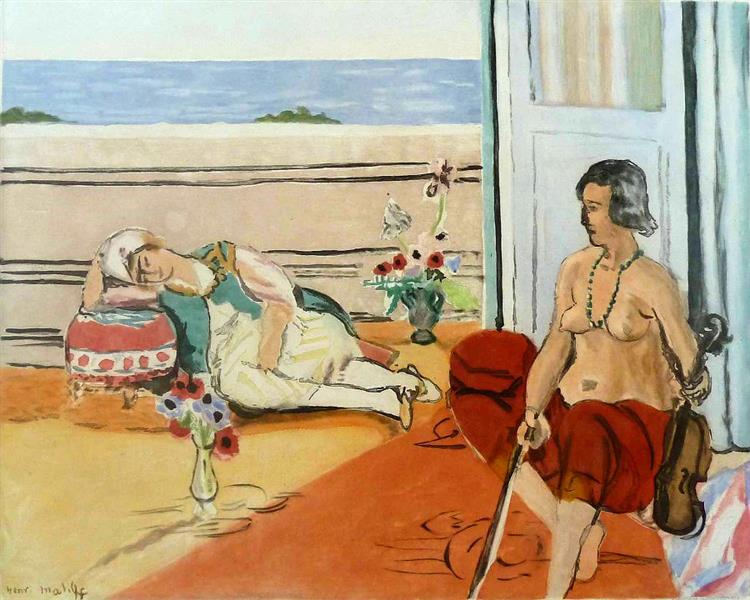
A brighter picture, with enough force that its absence reads almost as strongly as the original image.
The Mona Lisa disappears from the Louvre and becomes a public event before the museum even understands what happened.
The Gardner theft leaves empty frames behind and turns absence into part of the institution's identity.
The Louvre crown jewel theft adds a modern version of the same pattern: speed, scale, and a missing object that keeps the story alive.
These cases show how theft changes the public meaning of an artwork. Once a work is gone, the image, the record, and the story around it often carry more weight than they did before.